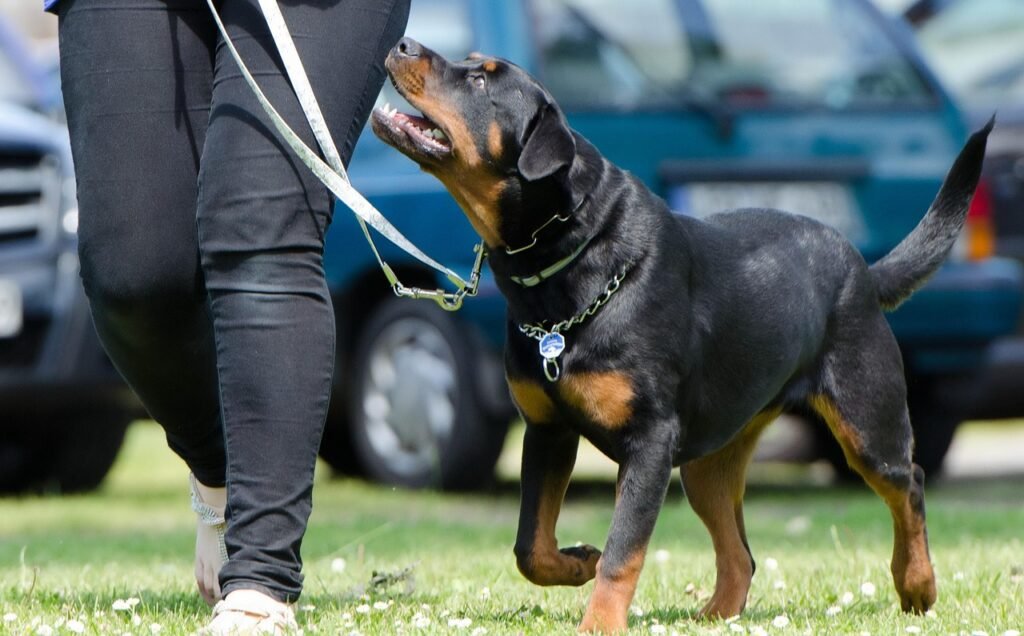
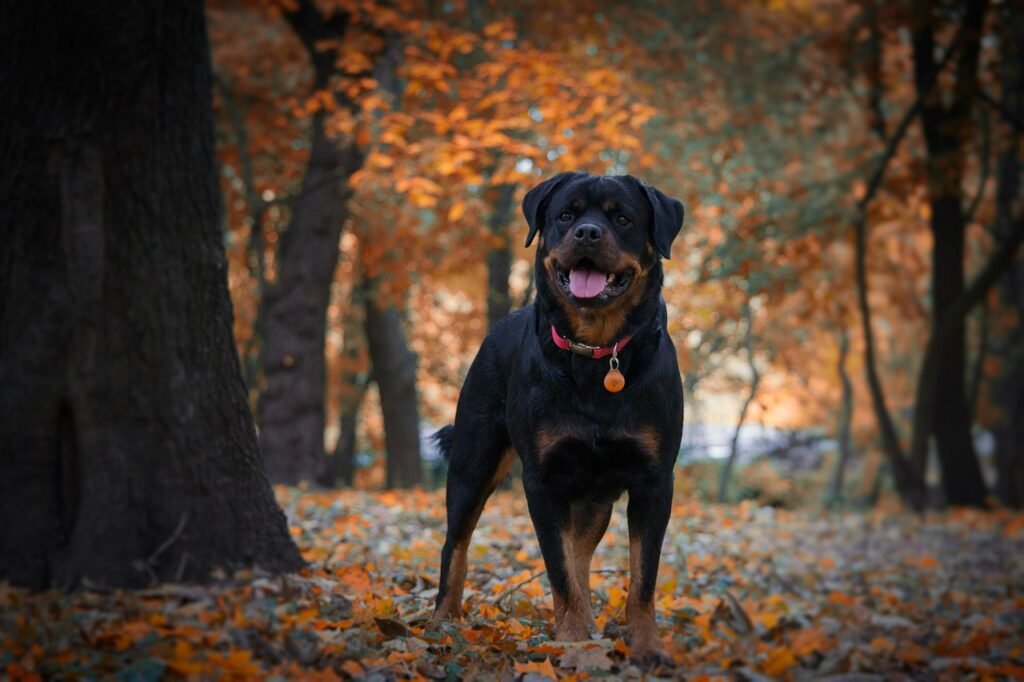
The Rottweiler is one of the world’s most loyal, confident, and intelligent working breeds. Whether you’re considering getting one or want to provide better care for your current companion, this guide covers everything you need: temperament, history, training, grooming, nutrition, health issues, and more — all backed by expert advice.
Quick Facts
| CATEGORY | DETAILS |
| Breed Group | Working |
| Height | 24–27 in (male), 22–25 in (female) |
| Weight | 80–135 lbs |
| Lifespan | 9–10 years |
| Coat Type | Short double coat |
| Colors | Black with tan/rust |
| Energy Level | High |
| Trainability | Very trainable |
| Ideal For | Active owners, experienced dog handlers |
| Not Ideal For | First-time owners or low-activity households |
Breed Overview
| TRAIT | RATING |
| Intelligence | ⭐⭐⭐⭐⭐ |
| Trainability | ⭐⭐⭐⭐⭐ |
| Protection | ⭐⭐⭐⭐⭐ |
| Energy Level | ⭐⭐⭐ |
| Affection Toward Family | ⭐⭐⭐⭐⭐ |
Rottweiler History: Origins & Development
The Rottweiler’s origins trace back to the Roman Empire, where they worked as cattle-driving and guardian dogs. As the Roman legions moved across Europe, these dogs developed into powerful working companions.
The breed was later refined in the German town of Rottweil, where they became known as “Rottweiler Metzgerhund” — the butcher’s dog. They pulled carts, guarded money, and protected livestock.
Today, Rottweilers excel in police and military work, protection sports, search and rescue, service roles, and as loyal family guardians.
Rottweiler Temperament: Personality Traits & Behavior
Rottweilers are confident, calm, and deeply loyal. A well-bred and well-trained Rottweiler is stable, affectionate, and reliable.
Key Personality Traits
- Naturally protective
- Strong bond with family
- Intelligent and thoughtful
- Reserved with strangers
- Highly trainable
Myth vs Reality
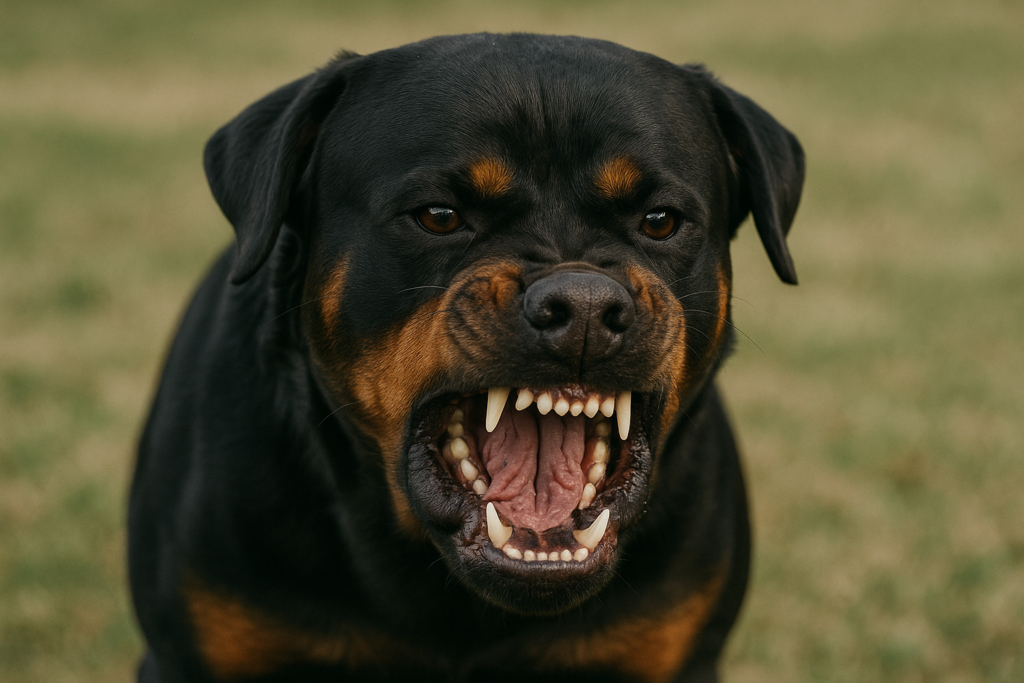
Myth: Rottweilers are naturally aggressive
Reality: Poor training and lack of socialization create aggression, not the breed.
Myth: They are dangerous for families
Reality: A well-trained Rottweiler is one of the most reliable and loving family dogs.
Training Your Rottweiler
Rottweilers thrive with structure. They are intelligent and eager to work, but they need a confident and consistent owner to reach their full potential.
Training Tips
- Start training at 8 weeks
- Use positive reinforcement
- Keep sessions short and fun
- Socialize with dogs, people, and environments
- Teach impulse control
- Provide daily mental stimulation
Essential Commands
- Sit
- Down
- Stay
- Come
- Leave it
- Heel
Rottweiler Exercise Needs: How Much Activity They Require

A Rottweiler needs around 60–90 minutes of daily activity. This should be a mix of physical exercise and mental work.
- Long walks
- Hiking
- Obedience training
- Tracking
- Tug and fetch games
- IGP/IPO or protection sports
Avoid heavy impact exercises like intense jumping before 18 months of age to protect joints.
Rottweiler Care & Grooming
Coat Care
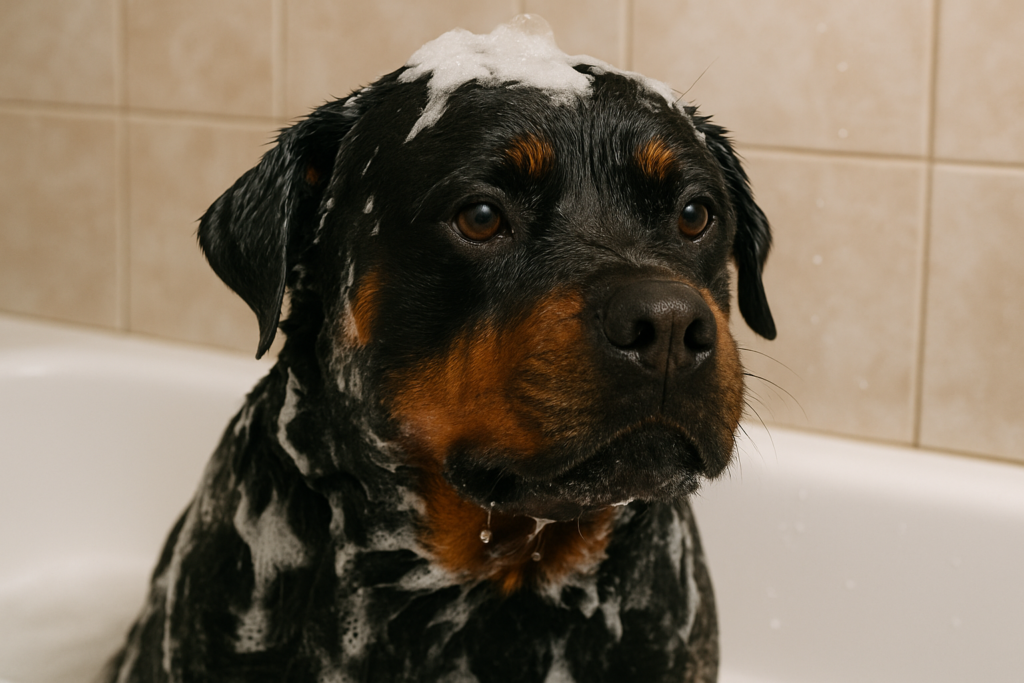
The Rottweiler has a short double coat that is relatively low-maintenance but still requires regular care.
- Brush 1–2 times per week
- Bathe every 6–8 weeks
- Clean ears weekly
- Trim nails every 2–3 weeks
Nutrition
A proper diet is crucial to support a Rottweiler’s muscle mass, energy, and joint health.
- 22–28% protein
- 12–16% fat
- Joint supplements like glucosamine and chondroitin
Feeding Frequency
| AGE | MEALS PER DAY |
| Puppy | 3–4 |
| Adult | 2 |
| Senior | 2 (lower calorie) |
Rottweiler Health Issues: Common Problems & Prevention Tips

Rottweilers are generally strong dogs, but like all large breeds, they are prone to certain health conditions.
- Hip dysplasia
- Elbow dysplasia
- Heart conditions
- Cancer
- Obesity
Annual vet checkups, a balanced diet, and controlled exercise are key to keeping your Rottweiler healthy.
Are Rottweilers Good Family Dogs?
Yes—when properly trained and socialized, Rottweilers can be incredible family dogs.
Ideal For
- Families who want a loyal protector
- Owners willing to invest time in training
- People who enjoy active, working breeds
Not Ideal For
- First-time dog owners with no guidance
- People with very little time or structure
- Homes that cannot handle a large, powerful dog
Should You Get a Rottweiler?
A Rottweiler is an incredible breed when matched with the right owner. Strong, loyal, intelligent, and deeply loving, the Rottweiler can be one of the most rewarding dogs you will ever live with—if you are willing to provide structure, training, and commitment.
Why You Can Trust This Guide
At DogBreedExpert.com, every guide is written to help dog owners make confident, informed decisions. Our content combines practical experience, reputable sources, and expert-backed canine knowledge to ensure accuracy and clarity.
Our Editorial Standards
- All information is reviewed for correctness and relevance
- We rely on trusted canine organizations, veterinary insights, and real-world experience
- Guides are regularly updated to reflect the latest recommendations
- We prioritize responsible ownership, positive training, and evidence-based care
Content Integrity Promise
We never publish filler or unverified claims. Every breed guide aims to be:
- Clear and beginner-friendly
- Honest and balanced
- Respectful of the breed’s strengths and challenges
- Focused on the dog’s well-being and the owner’s safety
Final Thoughts
Choosing a Rottweiler is a big decision, but with the right knowledge and structure, they can become one of the most loyal and rewarding companions you’ll ever meet.
If you’re ready to continue learning about dog breeds, training, and responsible ownership, explore more expert-backed resources at DogBreedExpert.com.
👉 Start here: Dog Breeds Encyclopedia