
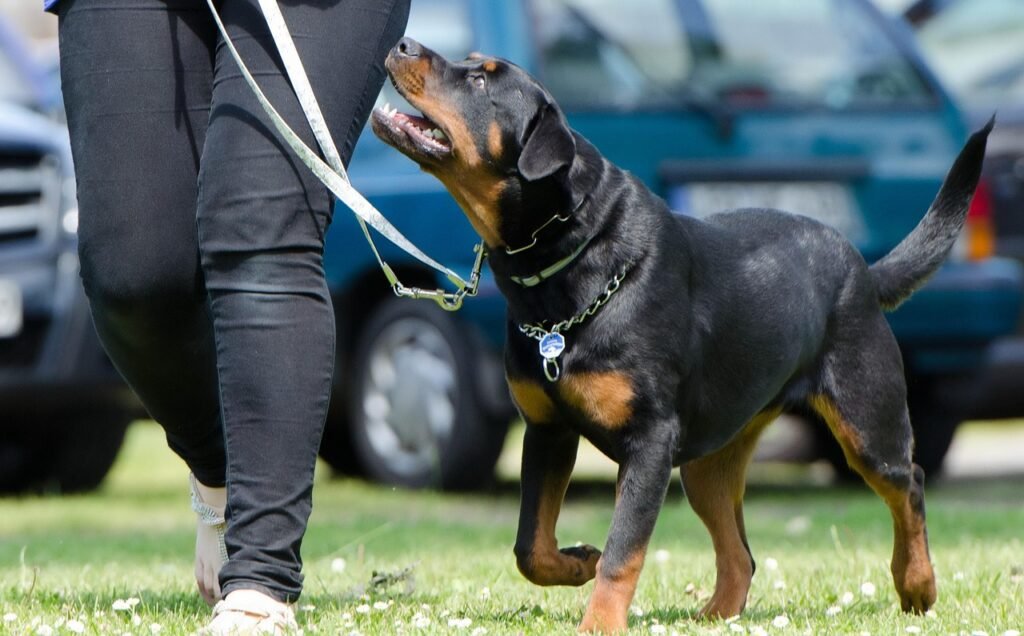
At DogBreedExpert, we understand that Rottweilers are powerful, intelligent, and loyal dogs that require structured and consistent training. This Rottweiler training guide will help you build obedience, discipline, and trust while bringing out the best behavior in your dog.
Rottweilers thrive when they have clear leadership, proper socialization, and training methods that balance structure with positive reinforcement.
Before diving into specific training techniques, it’s important to understand the Rottweiler’s temperament and natural instincts.
Understanding the Rottweiler Temperament
Rottweilers are confident, protective, and highly intelligent dogs. Originally bred as working dogs, they respond best to training that provides mental stimulation, clear boundaries, and consistency.
Without proper training, a Rottweiler can become stubborn or overly dominant. With the right guidance, however, they become calm, obedient, and extremely reliable companions.
When to Start Training a Rottweiler
The best time to start training a Rottweiler is as early as possible.
Puppy Training (8–16 Weeks)
During this stage, focus on:
- Basic commands (sit, stay, come)
- Name recognition
- Gentle leash introduction
- Early socialization with people and environments
Early training prevents behavioral problems later in life.
Adult Rottweiler Training
Adult Rottweilers can still be trained successfully. The key is patience, repetition, and consistent leadership. Training sessions should be structured and distraction-free.
Basic Obedience Training for Rottweilers
Obedience training is the foundation of a well-behaved Rottweiler.
Focus on:
- Sit
- Stay
- Down
- Recall (come)
- Leash manners
Short, daily sessions work better than long, infrequent ones.
Positive Reinforcement vs Discipline

Rottweilers respond best to a balanced approach.
Positive Reinforcement
- Rewards good behavior
- Builds trust and motivation
- Encourages faster learning
Structured Discipline
- Clear rules and boundaries
- Calm corrections (never aggressive)
- Consistency from all family members
Avoid harsh punishment, as it can damage trust and increase anxiety.
Socialization Training for Rottweilers
Proper socialization is essential for this breed.
Expose your Rottweiler to:
- Other dogs
- Different people
- New environments
- Sounds and situations
A well-socialized Rottweiler is confident, calm, and predictable.
Common Rottweiler Training Mistakes
Avoid these common mistakes:
- Inconsistent rules
- Skipping socialization
- Using harsh training methods
- Lack of mental stimulation
- Training without structure
Correcting these mistakes early makes training much easier.
Advanced Training and Working Instincts
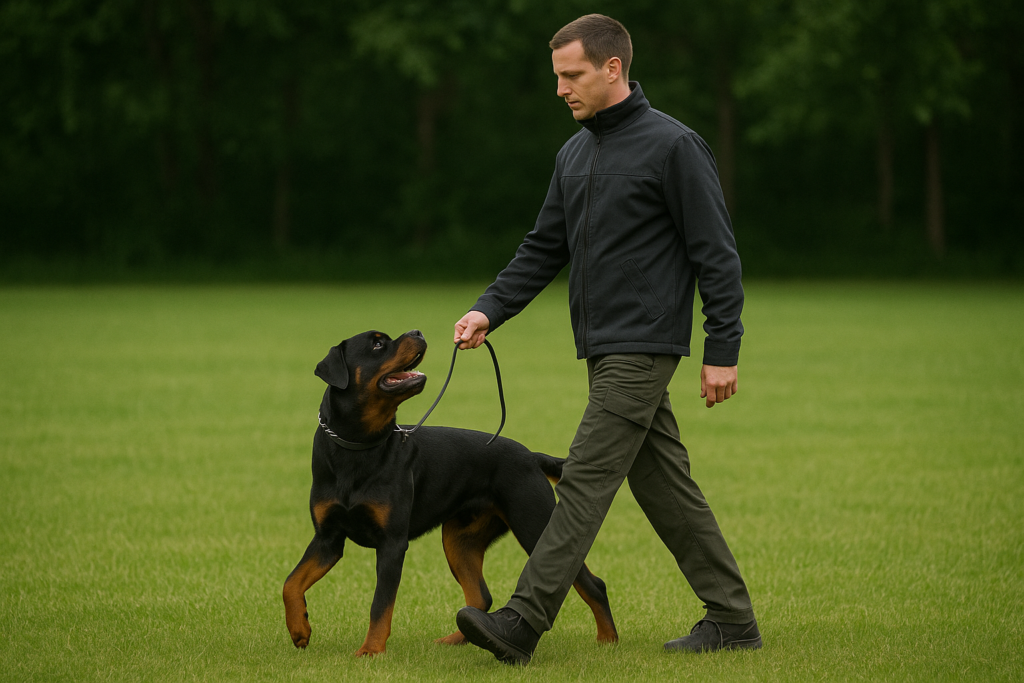
Rottweilers respond best to a balanced approach that combines motivation with structure.
Understanding how positive reinforcement and structured discipline work together is essential for effective and long-term training.
- Protection sports
- Obedience trials
- Scent work
- Working-dog style training
Advanced training should only begin after mastering basic obedience.
How Long Does It Take to Train a Rottweiler?
Training is an ongoing process.
- Basic obedience: 3–6 months
- Advanced training: 6–12 months
- Lifelong reinforcement is recommended
Consistency matters more than speed.
Is a Rottweiler Easy to Train?
Rottweilers are not beginner-proof dogs, but they are highly trainable when handled correctly. Owners who invest time, structure, and patience are rewarded with one of the most loyal and disciplined breeds.
Final Thoughts on Rottweiler Training
Training a Rottweiler is about building trust, leadership, and communication. With proper guidance, these dogs become confident protectors and loving family companions.
For more structured guidance, explore our Training Tips hub and learn more about working dog training techniques designed for powerful and intelligent breeds like the Rottweiler. Consistent training is the foundation of a confident and well-behaved dog.